ac.care
Orientation Training - Module 3
Orientation Training - Module 3
Last activity on September 19, 2026
2. Maintaining Cultural Connection
Cultural Connection
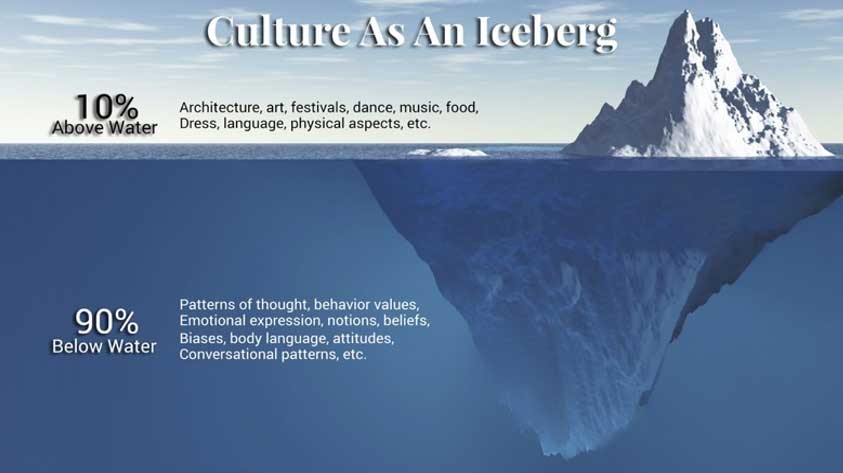
Culture is very similar to an iceberg. Some aspects are visible like the tip of an iceberg, such as celebrations, music, food and clothing and others are unseen much like the rest of an iceberg hiding beneath the water.
Aspects that may not be visible are things such as ways of parenting, work ethic, attitudes about privacy and personal space, religious beliefs, concept of self, concept of fairness, riles of polite behaviour, gender roles, roles within the family and beliefs about responsibilities of children and young people.
Carers can assist a child to maintain a cultural connection through assisting a child to research and learn more about their culture. Communities often have links to leaders, pastors and elders within a cultural group.
More information on this can be sourced through your local council or through consultation with your Placement Support Worker. Carers can also assist children to maintain connection to culture through encouraging children to take part in cultural events or clubs. Further information around connection to culture for Aboriginal and Torres Strait Islander Children will be supplied through your cultural training.
Life Story Work
Carers are expected to contribute to life story work for children in care. According to the Department for Child Protection, Life story work is important for all children in care and should include:
- a copy of their birth certificate
- their own artwork
- letters from parents, siblings and carers
- their family tree or genogram
- Information about their cultural background.
- photographs that record things like:
- milestones and achievements
- pets
- place of birth
- Holidays and outings.
Life story work is particularly important for Aboriginal children as it helps them maintain a connection to their culture. The department provides a special Aboriginal life story book which is tailored to the child’s own clan group. The Aboriginal life story book covers areas including:
- cultural and kinship groups
- elders
- the Dreaming
- their Dreaming story
- Kinship genograms or family trees.
For any questions around life story work, refer to the Department for Child Protection’s allocated caseworker.
Source: The Department for Child Protection – https://www.childprotection.sa.gov.au/children-care/support-children-care/life-story-work